


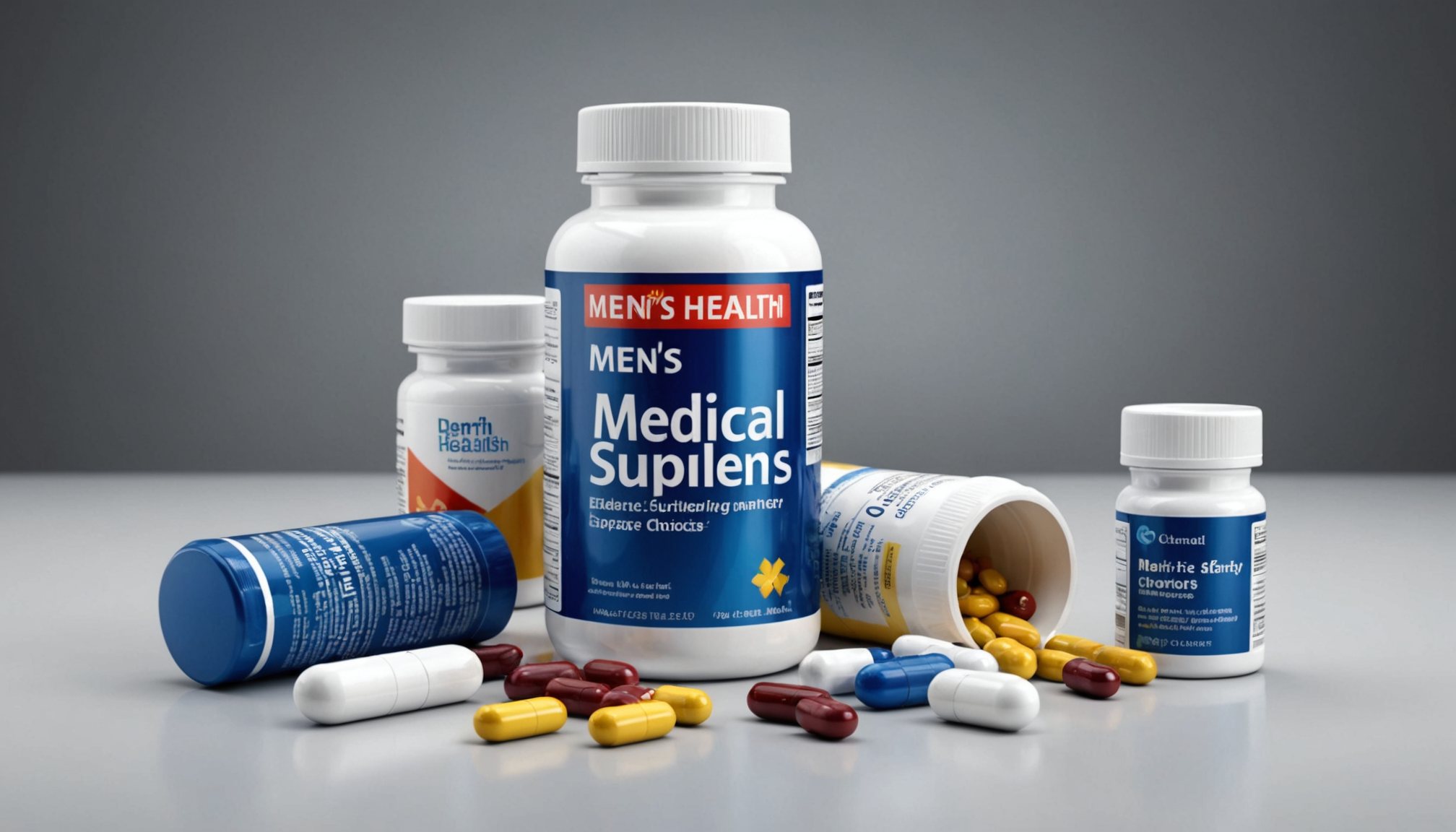
Men’s sexual health supplements
Disclaimer: This article provides educational information only and is not a substitute for professional medical advice, diagnosis, or treatment. Always consult a qualified healthcare professional for personalized guidance.
Basics: what it is
Men’s sexual health supplements are over‑the‑counter products formulated to support aspects of sexual well‑being such as libido, erectile function, stamina, fertility, and hormonal balance. They may include vitamins (like vitamin D), minerals (such as zinc or magnesium), amino acids (L‑arginine, L‑citrulline), plant extracts (ginseng, maca), and other bioactive compounds.
-
Recomendados:
- Men's Sexual Health Supplements: Evidence, Safety, and Smart Choices
- Piden que ministros vayan a Huancayo a explicar por qué resolvieron el contrato de la Carretera Central
- Biotecnología desde Arequipa: La startup que transforma microalgas en superalimentos y aire limpio
Unlike prescription medications, supplements are not intended to diagnose or cure disease. Their role is typically supportive—addressing nutritional gaps, lifestyle‑related stressors, or mild functional concerns. Interest in these products has grown across regions covered by our network, from Cusco to Arequipa, as public conversations about men’s health become more open.
Symptoms and signs
Men may consider sexual health supplements when experiencing persistent, non‑urgent concerns such as:
- Reduced libido: Lower interest in sexual activity that is not explained by relationship factors alone.
- Mild erectile difficulties: Trouble achieving or maintaining an erection on occasion.
- Low energy or stamina: Fatigue that affects sexual performance or recovery.
- Stress‑related performance anxiety: Psychological strain that impacts confidence.
- Fertility concerns: Interest in supporting sperm quality as part of a broader plan.
If symptoms are sudden, severe, or worsening, professional evaluation is essential.
Similar conditions: how to differentiate
| Condition | Key features | How it differs from supplement‑supported issues |
|---|---|---|
| Erectile dysfunction (ED) | Persistent inability to achieve/maintain erection | Often requires medical evaluation and targeted treatment |
| Low testosterone | Low libido, fatigue, mood changes | Confirmed by blood tests; supplements alone may be insufficient |
| Depression | Loss of interest, low mood, sleep changes | Primary mental health condition needing professional care |
| Cardiovascular disease | Reduced blood flow, exercise intolerance | Systemic condition; sexual symptoms may be an early sign |
Diagnosis
There is no single test for deciding whether supplements are appropriate. Clinicians usually evaluate:
- Medical and sexual history
- Medication and supplement use
- Lifestyle factors (sleep, diet, physical activity, alcohol)
- Basic laboratory tests when indicated (blood sugar, lipids, hormones)
This process helps rule out conditions that need medical treatment before considering supportive options.
What usually helps
Evidence‑informed strategies often combine lifestyle measures with cautious supplement use:
- Healthy lifestyle foundations: Regular physical activity, balanced nutrition, stress management, and adequate sleep.
- Targeted nutrients: Correcting deficiencies (for example, zinc or vitamin D) under guidance.
- Herbal and amino‑acid ingredients: Some compounds may support blood flow or energy, though results vary.
- Quality and safety checks: Choosing products tested for purity and avoiding exaggerated claims.
- Medical follow‑up: Reassessing symptoms and stopping supplements that cause side effects.
Public health discussions in our Salud section frequently emphasize that supplements work best as part of a broader health strategy, not as quick fixes.
FAQ
Are men’s sexual health supplements safe?
Many are generally safe for healthy adults, but interactions and side effects can occur.
Do supplements work for erectile dysfunction?
They may help mild, functional issues but are not a replacement for medical therapies.
Can younger men use these products?
Yes, but lifestyle factors are often more impactful at younger ages.
How long before benefits are noticed?
Effects, if any, are usually gradual and may take weeks.
Are “natural” products always better?
No. “Natural” does not automatically mean safe or effective.
Should supplements be combined?
Combining products increases the risk of excess intake and interactions.
Can diet replace supplements?
A nutrient‑rich diet can meet many needs, reducing the need for supplements.
Do these products increase testosterone?
Most do not significantly raise testosterone in men with normal levels.
Understanding nitric oxide and blood flow
Amino acids like L‑arginine support nitric oxide production, which helps relax blood vessels. This mechanism is relevant to erectile physiology, but individual response varies.
Herbal extracts: evidence vs tradition
Plants such as ginseng and maca have traditional use histories. Clinical evidence ranges from modest to inconclusive, highlighting the need for realistic expectations.
Regulation and quality control
Supplements are regulated differently than medicines. Third‑party testing and transparent labeling are key quality indicators.
Psychological factors
Stress, anxiety, and relationship issues can overshadow biological factors. Addressing mental well‑being often improves outcomes more than any pill.
Fertility‑focused formulations
Some supplements target sperm parameters. Benefits are typically modest and should complement medical evaluation when fertility is a concern.
When to stop and seek care
Discontinue supplements and seek medical advice if you experience chest pain, severe headaches, dizziness, or allergic reactions.
For regional perspectives and community discussions, explore our coverage in Perú and health features in Magazine.
Sources
- National Institutes of Health (NIH) Office of Dietary Supplements
- U.S. Food and Drug Administration (FDA) – Dietary Supplements
- World Health Organization (WHO) – Sexual and Reproductive Health
- European Association of Urology (EAU) Clinical Guidelines
- American Urological Association (AUA)